

Chiropractic | Physiotherapy | Acupuncture | Massage
Massage can help people with fibromyalgia

Massage Therapy Can Help With Fibromyalgia

Fibromyalgia is a painful rheumatic condition characterized by muscle aches and specific tender points throughout the body. Those with fibromyalgia are also more likely to experience episodes of anxiety and depression as well as difficulty sleeping relative to their levels of pain (Rattray & Ludwig, 2000). The mechanism that causes fibromyalgia is still not clearly understood nor is there a cure for the condition. This can make it difficult for those with fibromyalgia to find proper treatments. Benefits of Massage Massage therapy can benefit those with fibromyalgia by providing a relaxing treatment that not only helps with regional pain but also decreases depressive moods and anxiety. (Field et al., 2002; Leonid 2010). Studies suggest that the increase in muscle flexibility and local blood and lymph circulation caused by massage may cause the inflammatory mediators of pain to be reabsorbed. The increase in serotonin levels experienced during a massage are also likely to contribute to the decrease in pain felt by the patient by the end of a treatment (Li et at., 2014). By controlling the pain, patients will also benefit from better sleep and improved moods. What to Know Before Massage Therapy for Fibromyalgia Registered Massage Therapists (RMTs) are trained...
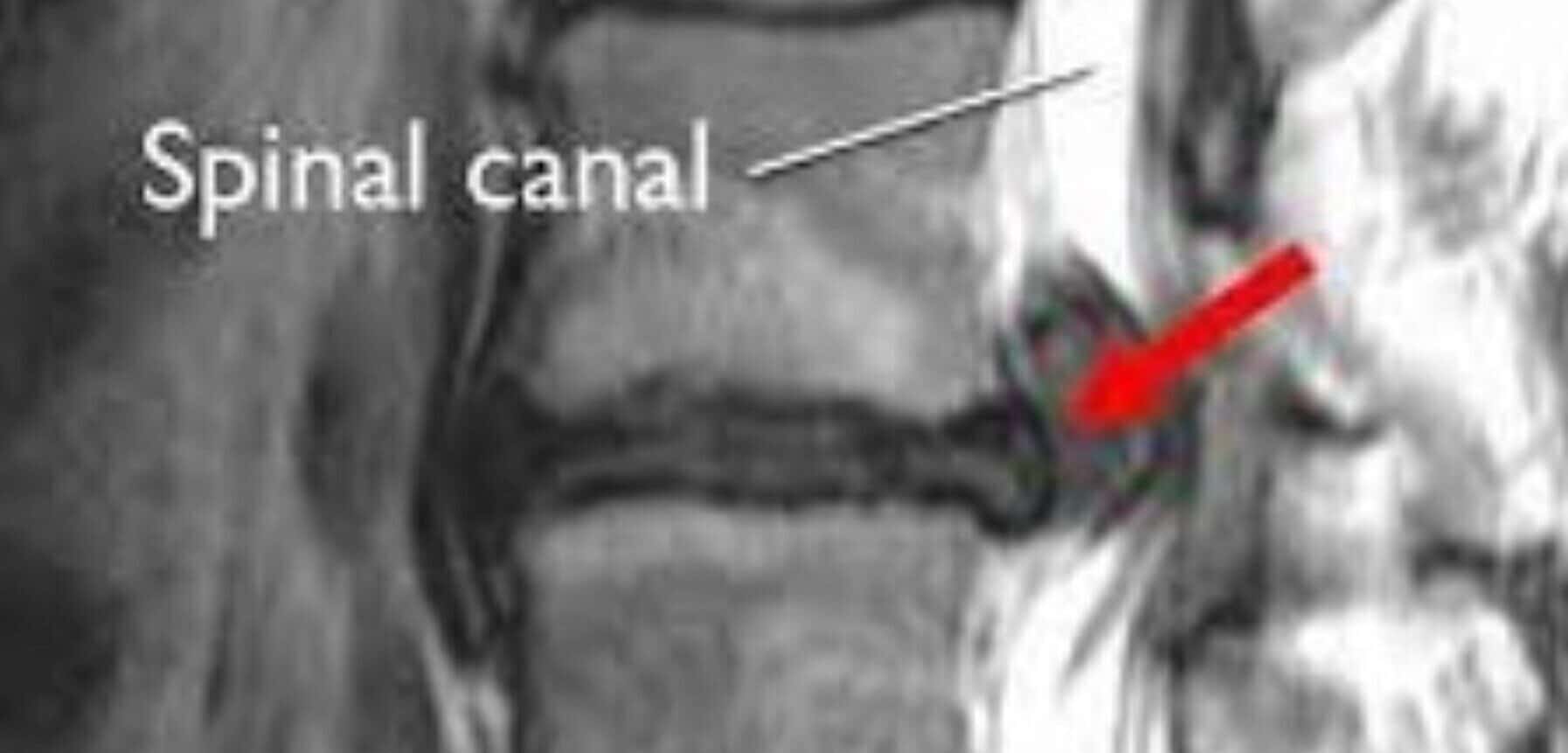

MRI lumbar disc herniation

Chiropractic Manipulation for Sciatica

When a patient’s leg pain is thought to be caused by an ‘active’ disc disorder, such as a disc protrusion or herniation, it is called sciatica. In this situation, chiropractors may consider the use of spinal manipulation as one potential treatment option. This form of treatment has been reported to be safe and effective. Here is a brief summary/list of the peer-reviewed literature that examines the effectiveness and safety of chiropractic spine manipulation for lumbar disc herniation causing sciatica. Evidence of Benefit A very recent, retrospective analysis of US patient data suggested that receiving spine manipulation from a chiropractor for newly diagnosed lumbar disc herniation is associated with significantly reduced odds of discectomy over 2-year follow-up, when compared to other forms of care. See Reference 1 A single-blind, randomized clinical trial in 2000 compared osteopathic spine manipulation with chemonucleolysis (injections) for lumbar disc herniation with sciatica. By 12 months, there was no statistically significant difference in outcome between the treatments (for leg pain, back pain and self-reported disability), but spine manipulation produced a statistically significant greater improvement for back pain and disability in the first few weeks of the study. See Reference 2 A randomized, double-blind trial in 2006 compared...

Think you could spot cardiovascular disease?

What do you know about cardiovascular disease? Cardiovascular diseases are defined as diseases and injuries of the cardiovascular system: the heart, the blood vessels of the heart and the system of blood vessels (veins and arteries) throughout the body and within the brain. Over the past 40 years the rates of heart disease and stroke have steadily declined. The rate has declined: 25% over the past 10 years 50% over the past 20 years Despite this decline, every 7 minutes in Canada, someone dies from heart disease or stroke. In fact, cardiovascular disease is still one of the leading causes of death in Canada (According to Statistics Canada in 2008). In 2008 cardiovascular disease accounted for: 29% of all deaths in Canada 28% of all male deaths 29.7% of all female deaths The leading cause of hospitalization in Canada continues to be heart disease and stroke, accounting for 16.9 % of total hospitalizations. While the majority of prevention programs have focused on MEN and cardiovascular disease, among WOMEN, heart disease is the leading cause of death in North America! Although heart disease is sometimes thought of as a “man’s disease,” around the same number of women and men die each year...

Soda Pop

4 Good Reasons to Give up Pop (and other sugary drinks)

We’ll admit, drinking an occasional soda is likely not a health risk for most people, however, regular consumption (e.g., one or two daily) can add up to potential health trouble over the long run. Recent studies have shown that over-consumption of soda and other sugar-sweetened beverages has been linked to an increased risk of a variety of diseases and health conditions, some of which can pose serious health complications. Today I want to share with you, 4 good reasons why you should replace those sugary drinks with water (ideally) or unsweetened coffee/tea. 1. Sugar-sweetened beverage intake can lead to an increased risk of type-2 diabetes mellitus and cardiovascular disease. A review published in a 2010 issue of Circulation reported, “SSBs may increase type-2 diabetes mellitus and cardiovascular risk independently of obesity as a potential contributor to a high dietary glycemic load and increased fructose metabolism, leading to inflammation, insulin resistance, and high blood pressure, as well as accumulation of visceral adiposity/ectopic fat and atherogenic dyslipidemia. For these reasons and because they have little nutritional value, intake of soda and other sugar-sweetened beverages should be limited, and should be replaced by healthy alternatives such as water.” (see reference 1) Basically, all of that sugar...